Living in Colorado means living in a place where the weather has a personality of its own. It’s part of the charm—300 days of sunshine, crisp winter mornings, warm summer evenings—but it also means your home experiences more extremes than in many other parts of the country. For homeowners, especially those new to the region, understanding how to prepare for Colorado’s unique weather patterns isn’t just helpful; it’s essential for protecting your investment, reducing long-term maintenance costs, and ensuring your home stays safe and comfortable year-round.
Colorado’s climate is known for dramatic swings. A warm afternoon can turn into a snowstorm by evening. Spring days often start calm and end with heavy winds. Summer brings dry heat followed by sudden thunderstorms, and fall can’t seem to decide whether it wants to be mild or icy. Because of this, weather prep in Colorado isn’t a once-a-year task—it’s a mindset. It’s learning to anticipate what the elements might do next and staying just one step ahead.
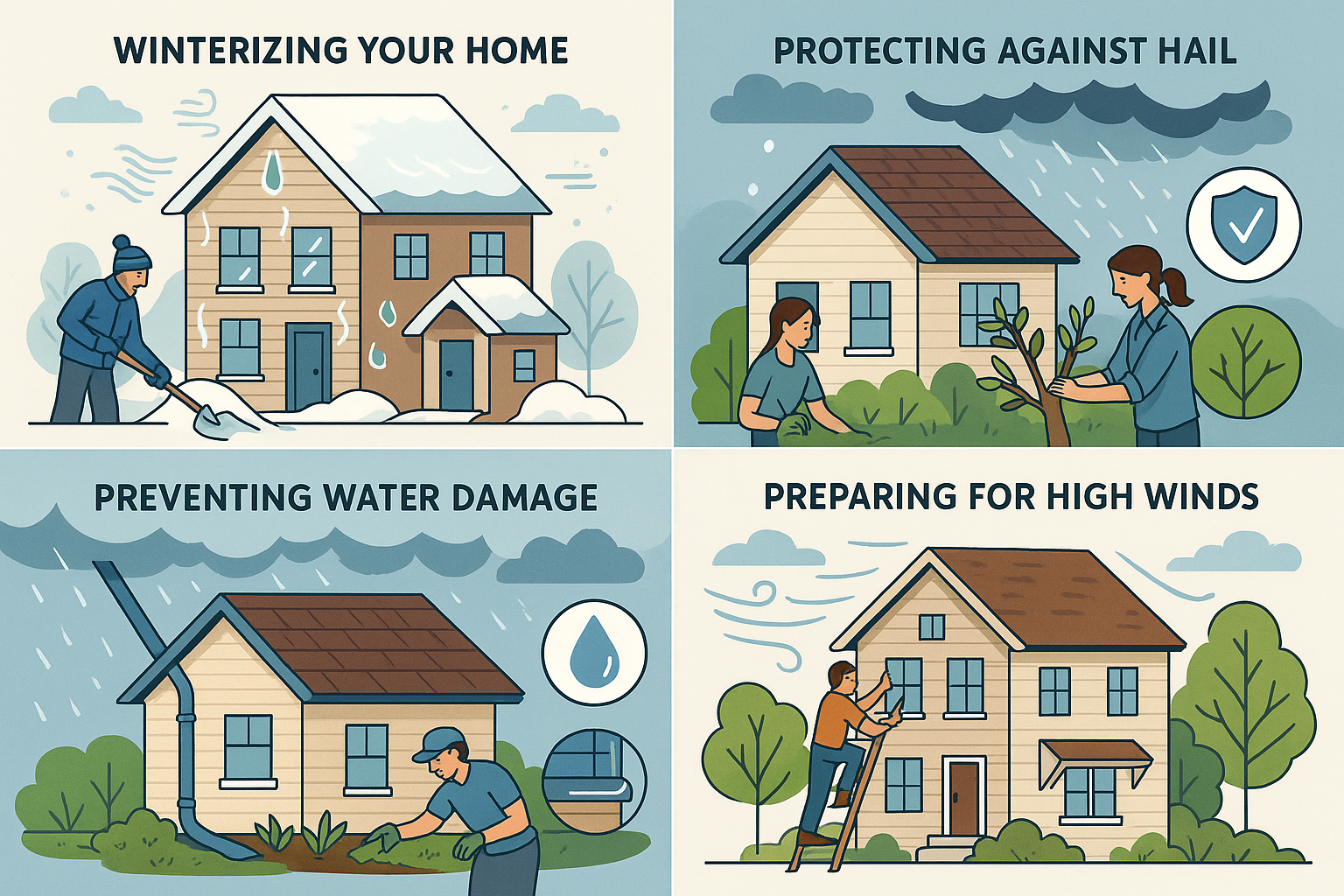
Winter preparation is usually the first topic that comes to mind, and rightfully so. Colorado winters bring heavy snow, freezing temperatures, and the occasional blizzard that can arrive out of nowhere. For homeowners, this means making sure windows are properly sealed, pipes are insulated, and gutters are cleared before the freeze sets in. Ice dams can form quickly on rooftops when warm interior air melts snow that refreezes at the edges, so proper attic insulation is a quiet hero during the cold months. It’s also wise to keep walkways shoveled and treated, both for safety and to prevent long-term concrete damage.
As the snow melts and spring arrives, the focus shifts to wind and moisture. Colorado’s spring winds are strong enough to uproot trees, shift fencing, and peel away loose shingles. Homeowners often discover issues during this time that winter had quietly hidden. Spring becomes the season to inspect the roof, evaluate siding, and test drainage around the property. Because the ground thaw can lead to overly saturated soil, ensuring that water flows away from the foundation becomes an essential part of springtime care. A few simple adjustments to soil grading or downspout placement can make a profound difference in preventing basement leaks or foundation stress.
By summer, Colorado shows off its bright skies and warm temperatures, but this season comes with its own set of responsibilities. The dry climate can create challenges for landscaping, especially for homeowners trying to maintain a healthy lawn. Irrigation systems should be checked and adjusted to deliver the right amount of water without waste. It’s also a season of intense sun exposure, which means UV damage to exterior paint, decks, and fencing can accumulate quickly. Even outdoor furniture takes a beating in the high-altitude sunshine. Wooden surfaces often require resealing or refreshing during this time of year to keep them protected from both sun and sudden summer storms.
Speaking of storms—summer in Colorado often brings dramatic weather that rolls in late in the afternoon. Hailstorms are not uncommon, and some can be significant enough to damage roofs, gutters, vehicles, and outdoor structures. Homeowners can’t stop hail from falling, but they can keep insurance policies up to date, check the condition of shingles, and trim back trees to reduce potential storm hazards. Preparing early means avoiding costly surprises later.
Then comes autumn, a season many Coloradans adore. The days are mild, the nights cool, and the colors spectacular. But fall is also a time of transition, and it’s the perfect opportunity to prepare for winter again. Leaves can clog gutters in a matter of days, creating blockages that lead to ice buildup as soon as temperatures drop. HVAC systems should be serviced before heaters are running daily. Exterior caulking, weatherstripping, and insulation should be checked so the home can hold warmth efficiently. Fall is a season that rewards proactive homeowners—the more you do before the first freeze, the less you’ll have to worry about once snow starts sticking.
Beyond seasonal tasks, Colorado homeowners benefit from understanding the cumulative effects of living in a high-altitude, semi-arid environment. Because the air is dry year-round, indoor humidity levels often fall too low, especially in winter. This can affect everything from furniture to hardwood floors to your own comfort. Many local homeowners invest in whole-home humidifiers to maintain stable indoor conditions. The elevation also affects how certain materials expand and contract, which is why paint, trim, and exterior finishes may age differently here than in other states. Learning these patterns helps you plan better maintenance cycles and make smart decisions when upgrading or repairing parts of your home.
Ultimately, weather preparation in Colorado isn’t about reacting—it’s about partnering with your home. It’s learning how to work with the climate rather than fight against it. When you understand the rhythm of the seasons and what each one brings, you can create a maintenance routine that keeps your home protected all year long. The benefit isn’t just reduced repair costs; it’s peace of mind. And in a place as beautiful and dynamic as Colorado, that peace of mind allows you to fully enjoy everything the state has to offer.